 Shop
Shop

Sensuality in contemporary photography today is perceived much more broadly than simply as the aesthetics of the nude body. Contemporary fine art photography increasingly works less with direct eroticisation and more with atmosphere, visual perception and the emotional presence of the image itself.
Sensuality in photography is rarely connected to literal representation. On the contrary, subtlety often becomes far more powerful: space, light, distance, movement, colour or the overall atmosphere of a photograph.
Sometimes, what emotionally affects the viewer is not the body itself, but a shadow, a gesture, a fragment of form or the interaction between light and a surface.
Sensuality as visual atmosphere
This is especially visible in contemporary nude photography. Today, the body is increasingly no longer perceived as an object, but becomes part of the composition and visual rhythm of the image.
This is why fragments of the body, the use of shadows, the movement of fabric or the framing can convey sensuality much more intensely than direct nudity itself.
The narrative value of details
I am also drawn to a certain sense of narrative within artistic nude photography. Sometimes small details help create a more subtle emotional perception of the image.
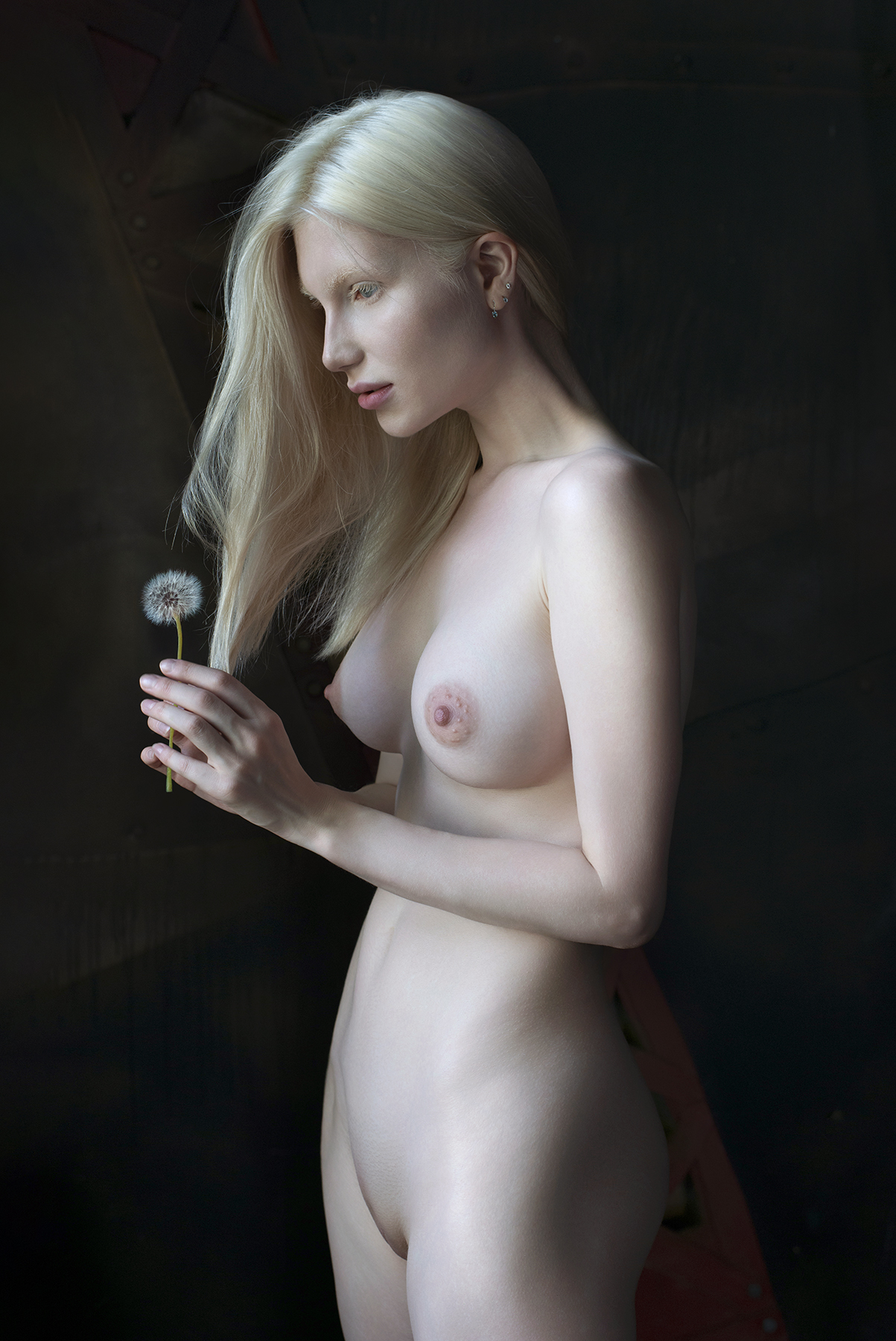
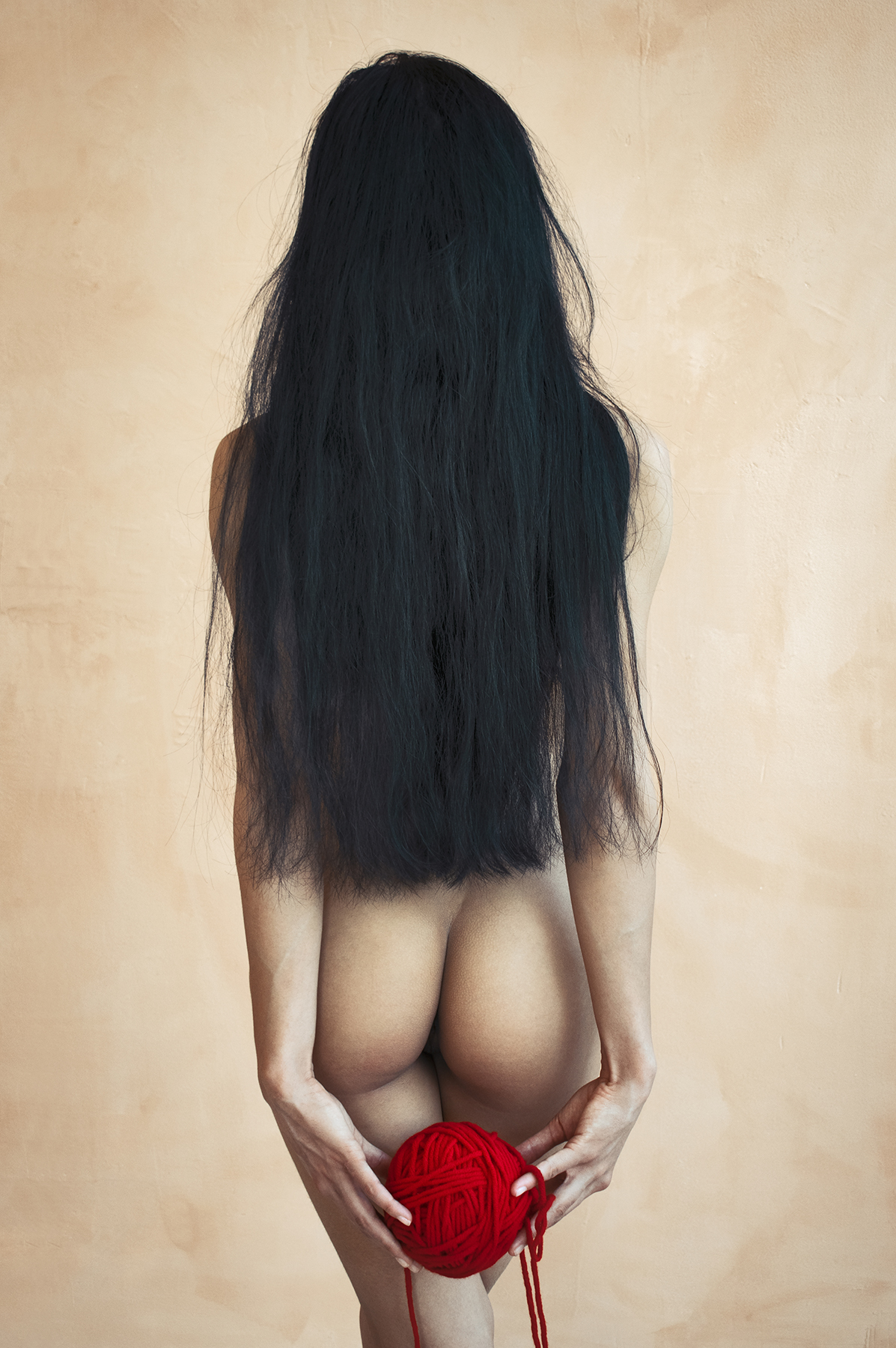
A book in the model’s hands, a ball of yarn, an apple, a dandelion, fabric or some seemingly accidental object within the frame can suggest something about the model’s emotional state, character or mood.
These details make the image feel less literal and give the photograph a sense of story or emotional context.
Light as an emotional language
Light also plays a fundamental role. In contemporary photography, lighting has long stopped being merely a technical tool.
Soft, diffused light can create a feeling of calmness and intimacy, while harsh, high-contrast lighting adds tension and dramatic intensity to an image.
Soft shadows preserve a certain sense of ambiguity and incompleteness. Sometimes light itself becomes the main emotional language of the photograph.
Colour in contemporary fine art photography
Colour is equally important. Over time, black-and-white photography began to feel emotionally less complex to me than colour photography.
At the same time, I am not interested in bright or aggressive colours. I am much more drawn to soft pastel tones, muted greys, complex skin tones and almost monochromatic transitions of colour.
These palettes create an atmosphere of intimacy and inner stillness, very close to the sensitivity of fine art photography.
Photography, collage, abstraction and texture
Contemporary fine art photography increasingly intersects with other artistic practices: collage, abstraction, painterly textures and the physical presence of the image itself.
Because of this, photography gradually stops being perceived literally and becomes more of an independent artistic object.
Sensuality beyond provocation
Perhaps this is why sensuality in contemporary photography is becoming less and less connected to provocation.
What matters much more is the attempt to convey an inner state: silence, vulnerability, distance or emotional presence within the frame.
And perhaps it is precisely this subtlety of perception that defines contemporary fine art photography today.